Dublin: Ireland's Literary Capital Where History, Pubs, and Creativity Converge
Explore Dublin's rich literary heritage, historic pubs, Georgian architecture, and vibrant cultural scene in Ireland's charming capital city.
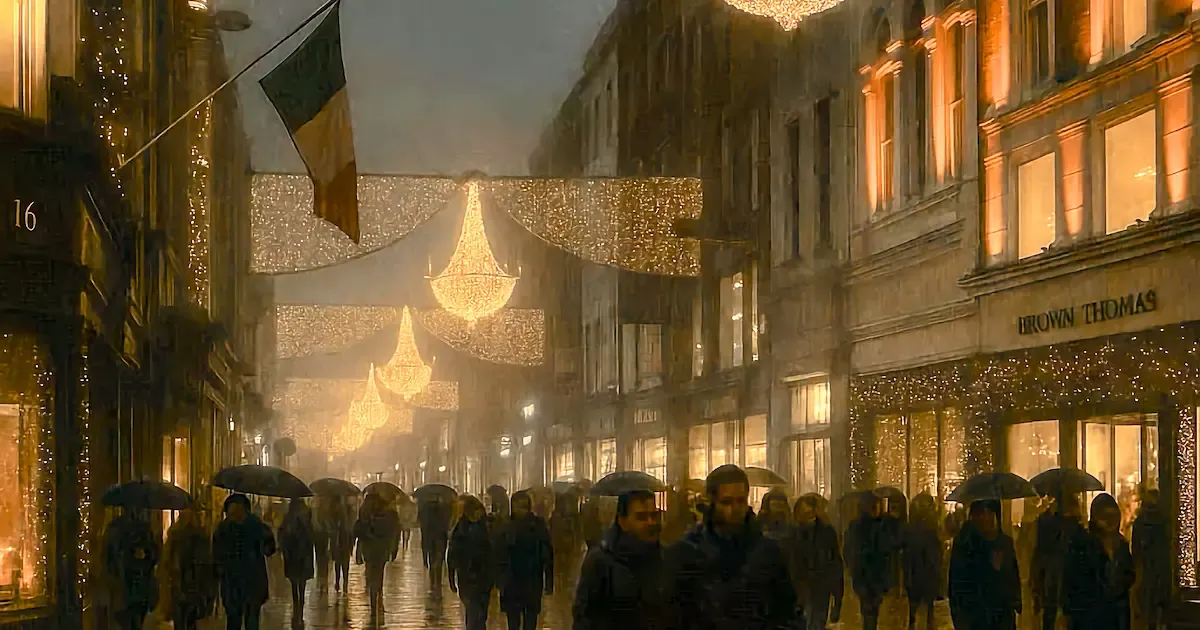
Colorful Temple Bar district with traditional Irish pub and cobblestone streets
Dublin, Ireland’s compact and walkable capital, punches far above its weight in literary heritage, historic significance, and cultural vitality. From its medieval roots to its modern tech boom, this city of writers, rebels, and revelers offers an intimate urban experience rich with stories.
Literary Dublin: City of Words
Dublin’s literary pedigree is unmatched for a city of its size, having produced four Nobel laureates in literature—W.B. Yeats, George Bernard Shaw, Samuel Beckett, and Seamus Heaney—alongside iconic figures like James Joyce, Oscar Wilde, and Jonathan Swift. This concentration of literary talent stems from Dublin’s unique blend of oral storytelling traditions, political turmoil that fueled creative expression, and pub culture that served as informal literary salons.
The city actively celebrates its writers through immersive experiences. The Museum of Literature Ireland (MoLI) at University College Dublin offers interactive exhibits showcasing original manuscripts, including Joyce’s handwritten drafts of Ulysses. Literary walking tours trace the footsteps of Leopold Bloom’s fictional journey on June 16th (Bloomsday), visiting locations like Sweny’s Pharmacy (where Bloom bought lemon soap) and Davy Byrne’s pub. For a deeper dive, the James Joyce Centre provides scholarly resources and hosts annual Bloomsday celebrations with period costumes and readings.
Trinity College’s Old Library is home to the Book of Kells, a breathtaking 9th-century illuminated Gospel manuscript that represents Ireland’s early Christian literary tradition. Beyond this masterpiece, the Long Room—a 65-meter barrel-vaulted chamber—houses 200,000 of Ireland’s oldest books, including the 1916 Proclamation of the Irish Republic and a rare first edition of Gulliver’s Travels.
Contemporary literary culture thrives at independent bookshops like Hodges Figgis (Ireland’s oldest, founded 1768) and The Winding Stair, which combines a bookstore with a restaurant overlooking the Ha’penny Bridge. Dublin’s literary festivals, including the International Literature Festival Dublin and the Dublin Book Festival, attract global authors while nurturing local talent, ensuring the city’s storytelling tradition continues to evolve.
Temple Bar: Cultural Quarter
Temple Bar, Dublin’s designated cultural quarter, is more than just a tourist hotspot—it’s a living ecosystem of creativity housed within cobblestone streets and vibrantly painted Georgian buildings. By day, the area buzzes with artistic energy: the Gallery of Photography showcases contemporary Irish and international photography, while the Project Arts Centre presents cutting-edge theater and visual arts. The Irish Film Institute (IFI) screens independent films in its historic building and hosts the Dublin International Film Festival each February.
Music is woven into Temple Bar’s fabric. Traditional Irish sessions happen nightly in pubs like The Temple Bar Pub and The Auld Dubliner, where musicians gather in informal circles to play jigs, reels, and ballads. For a more curated experience, the Button Factory hosts indie, electronic, and folk concerts in an intimate setting. The area’s musical heritage is celebrated at the Irish Rock ‘n’ Roll Museum Experience, which offers guided tours through venues that launched U2, Thin Lizzy, and Sinead O’Connor.
The Temple Bar Food Market (every Saturday) transforms Meeting House Square into a gourmet showcase of Ireland’s culinary revival. Here you’ll find organic produce from nearby farms, artisan cheeses like Durrus and Cashel Blue, and freshly baked sourdough from local bakeries. Food enthusiasts can also join whiskey tasting workshops at the Irish Whiskey Museum or learn to make traditional Irish stew at cooking classes offered by nearby culinary schools.
Despite its popularity, Temple Bar retains authentic corners. Explore the hidden Cow’s Lane pedestrian street with its independent designers’ studios, or visit the Ark Children’s Cultural Centre for family-friendly workshops. The area’s medieval layout—with narrow alleyways like Eustace Street and Crown Alley—invites leisurely exploration, revealing street art, vintage shops, and quiet courtyards that offer respite from the main thoroughfares.
Georgian Architecture and History
Dublin’s Georgian architecture represents the city’s 18th-century golden age when it was the second city of the British Empire. The symmetrical brick townhouses with their iconic fanlight windows and brightly painted doors line grand squares like Merrion Square, Fitzwilliam Square, and Mountjoy Square. These doors—painted in vibrant hues like cobalt blue, emerald green, and crimson red—originally helped residents distinguish their homes in an era before street numbers. Today, they’ve become symbols of Dublin’s architectural charm, with the “Doors of Dublin” inspiring countless photographs and artworks.
Number 29 Lower Fitzwilliam Street, meticulously restored by the ESB, offers a rare glimpse into Georgian domestic life. Each room is furnished with period-appropriate items, from the basement kitchen with its cast-iron range to the drawing room where families entertained guests. The house reveals the stark contrast between the affluent upstairs lifestyle and the servant quarters below, reflecting the social hierarchies of the time.
Nearby, Leinster House (built 1745–1748) serves as Ireland’s parliament building (Oireachtas). Originally the ducal palace of the Earls of Kildare, its design influenced the White House in Washington, D.C. The surrounding area includes government buildings like the National Museum of Ireland – Natural History (the “Dead Zoo”) and the National Library, forming a cultural campus that’s free to explore.
Beyond the squares, Georgian Dublin reveals itself in unexpected places. The City Hall (formerly the Royal Exchange) features a magnificent domed rotunda, while the Four Courts on the River Liffey showcases the grandeur of Georgian civic architecture. For a deeper understanding, the Irish Architectural Archive on Merrion Square houses over 250,000 drawings and records, offering rotating exhibitions on Ireland’s built heritage. Walking tours focused on Georgian Dublin often include stories of famous residents like Oscar Wilde (born at 21 Westland Row) and Daniel O’Connell, whose statue dominates the entrance to O’Connell Street.
Guinness Storehouse and Brewing Heritage
The Guinness Storehouse at St. James’s Gate Brewery is more than a tourist attraction—it’s a pilgrimage site for stout lovers and a masterclass in brand storytelling. Housed in a former fermentation plant built in 1904, the seven-story experience begins with a complimentary pint (or soft drink) and takes visitors through the history of Arthur Guinness’s 9,000-year lease signed in 1759. Interactive exhibits explain the four simple ingredients (water, barley, hops, and yeast) and the unique roasting process that gives Guinness its distinctive dark color and creamy head.
The highlight is the Gravity Bar on the seventh floor, offering panoramic 360-degree views of Dublin. On clear days, you can see as far as the Wicklow Mountains. Here, visitors learn the proper two-part pour technique and enjoy their perfectly settled pint while overlooking the city that made it famous. For true enthusiasts, the Connoisseur Experience offers guided tastings of rare Guinness variants, including Foreign Extra Stout and the limited-edition Guinness 200th Anniversary Export Stout.
Beyond Guinness, Dublin’s brewing heritage runs deep. The Jameson Distillery Bow Street offers tours that trace the history of Irish whiskey, complete with comparative tastings. The Teeling Whiskey Distillery in the Liberties is Dublin’s first new distillery in 125 years, showcasing the modern revival of Irish whiskey. Craft beer lovers should explore the Dublin Beer Trail, which includes spots like The Porterhouse Brewing Company (Ireland’s first brewpub), Rascals Brewing Company in Inchicore, and Whiplash Beer’s taproom. The annual Dublin Beer Festival (part of Arthur’s Day celebrations) brings together local brewers for tastings and workshops.
For a more historical perspective, the Dublin Whiskey Museum offers interactive tours that explore whiskey’s role in Irish social history, while the Irish Whiskey Museum on Grafton Street provides tastings of premium Irish whiskeys. Whether you’re a stout purist or a whiskey connoisseur, Dublin’s brewing heritage offers rich experiences that go far beyond the pint glass.
Historic Pubs and Traditional Music
Dublin’s pubs are the city’s living rooms—places where literature, politics, music, and everyday life intersect. These establishments have served as informal parliament houses, literary salons, and music venues for centuries. The Brazen Head, dating from 1198 (though the current building is 17th century), is Ireland’s oldest pub. Its cozy snugs and stone walls have hosted revolutionaries like Wolfe Tone and Daniel O’Connell, and today it offers traditional Irish music nightly alongside hearty pub grub.
Literary pubs form their own circuit. Mulligan’s on Poolbeg Street, frequented by James Joyce and later journalists from the nearby Irish Press building, maintains its 19th-century character with wooden partitions and sawdust floors. Davy Byrne’s Pub on Duke Street appears in Joyce’s Ulysses as the location where Leopold Bloom eats a gorgonzola sandwich. The Stag’s Head, with its magnificent Victorian interior of stained glass and mahogany, was a favorite of writers like Brendan Behan and Patrick Kavanagh.
For traditional Irish music (trad sessions), certain pubs are institutions. The Cobblestone in Smithfield is known as a “drinking pub with a music problem”—musicians gather in the back room for spontaneous sessions where everyone from beginners to masters can join. O’Donoghue’s on Merrion Row, where the folk group The Dubliners formed in the 1960s, still hosts raucous sessions that spill onto the street. For a more intimate experience, try Hughes’s Bar on Chancery Street or The Palace Bar on Fleet Street, which also boasts an impressive whiskey selection.
Beyond music, many pubs offer historical tours. The Dublin Literary Pub Crawl combines performances of Irish literature with visits to pubs associated with writers. The Traditional Irish Music Pub Crawl led by professional musicians offers insights into the instruments and styles of Irish music. For those interested in the craft of brewing, the Dublin Pub Tour explores the city’s brewing history through its historic pubs.
What makes Dublin’s pub culture unique is its inclusivity. Whether you’re a local or a visitor, you’re welcome to join the conversation, sing along to a ballad, or simply enjoy the warmth of a peat fire. As the saying goes, “In Dublin, the pub isn’t just a place to drink—it’s where the city’s soul is poured out.”
Modern Dublin and Economic Transformation
While honoring its history, Dublin has boldly embraced the 21st century as Europe’s leading tech hub. The “Silicon Docks” area hosts the European headquarters of Google, Facebook, Twitter, LinkedIn, and Stripe, creating a dynamic ecosystem of startups and venture capital. This transformation is most visible in the Docklands, where former industrial warehouses have been replaced by sleek glass towers like the Exo Building and the Bord Gáis Energy Theatre. The Convention Centre Dublin, with its distinctive cylindrical design, and the Samuel Beckett Bridge, resembling a harp (Ireland’s national symbol), exemplify the city’s contemporary architectural ambition.
Yet Dublin’s modernity isn’t confined to tech. The Creative Quarter around South William Street and Drury Street has become a hub for independent fashion designers, boutique coffee roasters, and concept stores. The Powerscourt Townhouse Centre, an 18th-century mansion transformed into a shopping destination, houses Irish designers like Helen Steele and Louise Kennedy. The nearby George’s Street Arcade, Ireland’s oldest shopping arcade (built 1881), blends Victorian architecture with vintage stores and vegan cafes.
Cultural institutions have also evolved. The National Gallery of Ireland completed a €30 million renovation in 2017, adding the sleek Dargan Wing with improved accessibility. The Science Gallery at Trinity College Dublin merges science and art through provocative exhibitions. The Little Museum of Dublin offers a people’s history of the city through donated artifacts, while EPIC The Irish Emigration Museum uses interactive technology to tell the story of Ireland’s diaspora.
Dublin’s transportation infrastructure keeps pace with its growth. The LUAS tram system connects the city center with suburbs, while Dublinbikes provides affordable cycling access. The planned MetroLink will further integrate the city’s north and south sides. Despite these changes, Dublin maintains its human scale—most attractions are within walking distance, and the city’s famous “craic” (fun/conversation) remains its defining social currency.
Dublin’s magic lies in its ability to maintain intimate scale and human connection while playing significant roles in literature, history, and global business—a city where every pub has a story and every street corner holds history.
Beyond the Guidebooks: 10 Authentic Dublin Experiences
For travelers seeking the real Dublin beyond the typical tourist trail, these ten experiences offer deeper connections with the city’s culture, history, and local life.
1. Immerse in Traditional Irish Music at Gogarty’s Pub
While Temple Bar has many tourist-oriented pubs, Gogarty’s maintains authentic trad sessions where musicians gather in informal circles. Upstairs and downstairs venues host nightly performances featuring fiddles, tin whistles, bodhráns, and uilleann pipes. The best sessions happen mid-week when local musicians outnumber tourists—arrive early to secure a seat near the fire.
2. Discover Ireland’s Built Heritage at the Irish Architectural Archive
Housed in a Georgian townhouse on Merrion Square, this specialist archive offers rotating exhibitions that delve into Ireland’s architectural history through original drawings, photographs, and models. Free guided tours (booking required) provide access to their collection of over 250,000 items, including works by influential architects like James Gandon and William Vitruvius Morrison.
3. Experience Spiritual Serenity at St. Patrick’s Cathedral
Built between 1220 and 1260 on the site where St. Patrick baptized converts, this Gothic masterpiece is Ireland’s largest cathedral. Attend Evensong service (weekdays at 5:45pm) to hear the choir fill the vaulted ceiling with sacred music. Don’t miss the “Door of Reconciliation” where two feuding families shook hands in 1492, giving us the phrase “chancing your arm.”
4. Find Peace in Phoenix Park
At 1,750 acres, Phoenix Park is one of Europe’s largest enclosed urban parks. Beyond the famous Dublin Zoo and Áras an Uachtaráin (the President’s residence), explore the Victorian Walled Garden with its restored glasshouses, or visit Dunsink Observatory (Ireland’s oldest scientific institution) for stargazing events. Early morning offers the best chance to spot the park’s herd of fallow deer.
5. Be Moved by Theatre at The Gate
Founded in 1928 by Hilton Edwards and Micheál Mac Liammóir, The Gate Theatre specializes in Irish and international classic drama. Their acclaimed production of A Christmas Carol has become a Dublin holiday tradition, but year-round offerings include works by Beckett, Pinter, and contemporary Irish playwrights. The intimate auditorium (seating 371) ensures every seat feels close to the action.
6. Walk the River Liffey and Cross the Ha’penny Bridge
The Ha’penny Bridge (officially Wellington Bridge) earned its name from the half-penny toll charged from 1816 to 1919. A leisurely walk along the Liffey’s quays reveals changing cityscapes—from the modern Convention Centre to the Four Courts dome. For photography, visit at “blue hour” when the bridge lights reflect on the water.
7. Connect with Ancient Ireland at the National Museum of Archaeology
The museum’s “Kingship and Sacrifice” exhibition features perfectly preserved Iron Age bog bodies with haunting stories of ritual sacrifice. The “Or” gallery displays the Tara Brooch and Ardagh Chalice—masterpieces of Celtic metalwork. Free guided tours at 2:30pm daily provide context that brings these artifacts to life.
8. Hunt for Treasures in The Liberties
Dublin’s oldest neighborhood, The Liberties, was historically outside the city walls. Francis Street remains the heart of Dublin’s antique trade, with over a dozen shops specializing in everything from Georgian silver to vintage posters. Don’t miss the hidden Iveagh Markets (currently being restored) and the nearby St. Patrick’s Tower, once the largest smock windmill in Europe.
9. Celebrate the Season with a Candlelit Cathedral Concert
During December, St. Patrick’s Cathedral transforms into a magical venue for festive concerts featuring Irish choirs and orchestras. The “Christmas at the Cathedral” series includes performances of Handel’s Messiah and Christmas carol singalongs in a candlelit setting—book months ahead as these events sell out quickly.
10. Engage with Contemporary Art at the Dublin Art Book Fair
Held annually at Temple Bar Gallery + Studios, this fair showcases artist books, zines, and publications from independent presses across Ireland and Europe. Beyond browsing, attendees can participate in workshops on bookbinding, printmaking, and artist talks. The event reflects Dublin’s thriving underground art scene.
These experiences offer windows into Dublin’s soul—where ancient traditions meet contemporary creativity, and where the city’s warmth reveals itself in unexpected places.
More Travel Stories
Macau: The Dual Soul of Macau - Where Heritage Meets High Stakes
Discover Hong Kong's perfect blend of traditional Chinese culture and modern urban life through iconic attractions like Victoria Peak, Tian Tan Buddha, and vibrant street markets.
Hong Kong: The Ultimate East-Meets-West Metropolis Between Skyscrapers and Mountains
Discover Hong Kong's perfect blend of traditional Chinese culture and modern urban life through iconic attractions like Victoria Peak, Tian Tan Buddha, and vibrant street markets.