Macau: The Dual Soul of Macau - Where Heritage Meets High Stakes
Discover Hong Kong's perfect blend of traditional Chinese culture and modern urban life through iconic attractions like Victoria Peak, Tian Tan Buddha, and vibrant street markets.
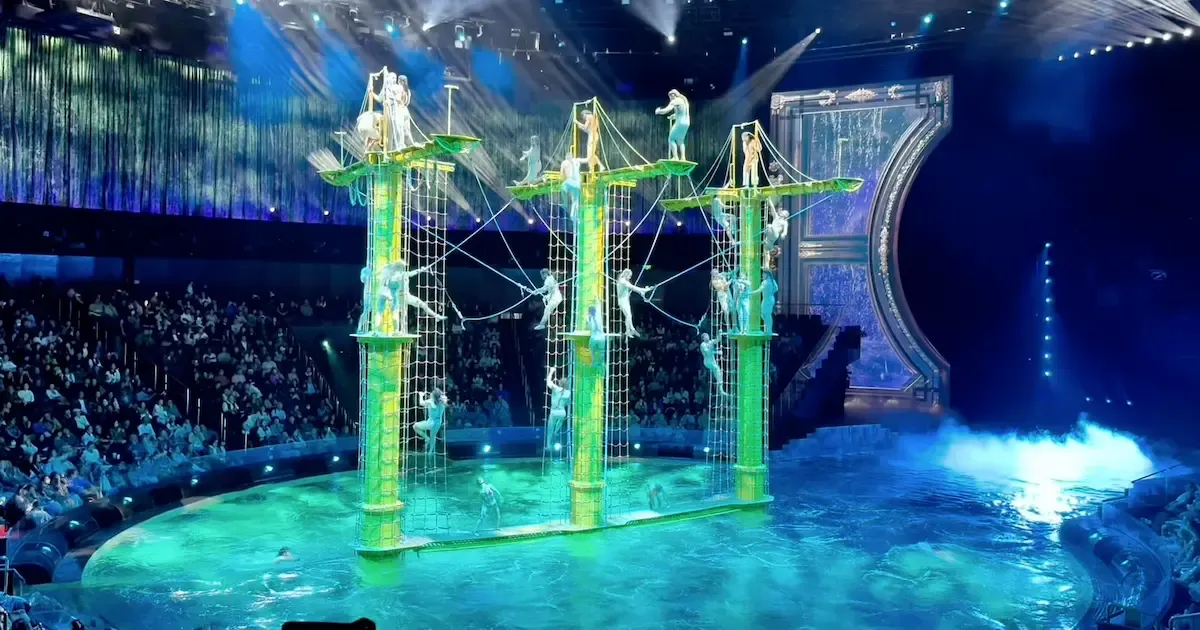
Macau Famous Dancing Water Show in City of Dreams
Crossing into Another World
As we drive across the Hong Kong-Zhuhai-Macau Bridge—a staggering 55-kilometre feat of engineering that connects three cities across the Pearl River Delta—it’s hard not to feel a sense of awe. This isn’t just any bridge; it took nine years to build and includes underwater tunnels to allow ships to pass overhead. And at the end of that bridge? Macau. You’ve got these beautiful, crumbling Portuguese buildings sitting right next to massive casinos that light up the sky at night.
Four Centuries of Portuguese Influence
Macau was under Portuguese rule for over 400 years before returning to China in 1999. You can still see that everywhere. There’ll be a bakery selling Portuguese egg tarts right next to another one doing char siu bao. Baroque churches are across the street from Buddhist temples. It’s not trying to be anything—it’s just what happens when you’ve got centuries of different cultures living in the same small space.
The Historic Centre of Macau is a UNESCO World Heritage Site, and for good reason. The Ruins of St. Paul’s—just the facade of what was once the largest Catholic church in Asia—stands as probably the most photographed spot in Macau. Built in the early 1600s and destroyed by fire in 1835, it’s a hauntingly beautiful reminder of the territory’s colonial past. Nearby, Senado Square’s wave-patterned mosaic tiles and pastel-coloured colonial buildings could transport you straight to Lisbon if it weren’t for the Chinese signage everywhere.
The Fishing Village That Started It All
Long before the Portuguese arrived in the 1500s, Macau was a humble fishing village. Fishermen would stop at A-Ma Temple—媽閣廟 (Maa Gok Miu)—to offer prayers before setting out to sea. Today, the temple still stands, its courtyard filled with fragrant incense. The name “Macau” itself originates from A-Ma-Gau (阿媽閣), meaning the Bay of A-Ma. The Portuguese heard the locals say it, and that’s how the name took root.
Walk through the older neighbourhoods like São Lourenço or the streets around the Inner Harbour, and you’ll still find traces of that fishing village past. Narrow lanes wind between houses with peeling paint and wooden shutters. Small shrines tucked into corners. Markets where dried seafood—shrimp, scallops, fish maw—hangs in neat bundles, priced and sold the way it has been for generations.
Food That Tells the Story
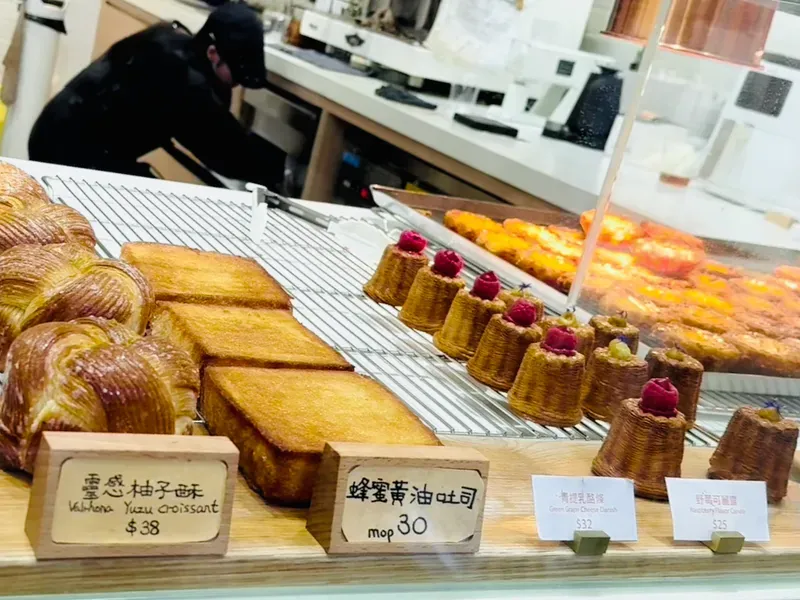
You can explore Macau’s rich history through its diverse food scene. From old-school dai pai dongs serving wonton noodles that have been around longer than I can remember, to Portuguese restaurants dishing up bacalhau and African chicken—flavourful and distinct from what you’d find in Lisbon but unmistakably Portuguese nonetheless.
African chicken, by the way, is one of Macau’s signature dishes—grilled chicken slathered in a spicy, coconut-based sauce that’s got piri piri peppers, garlic, and about a dozen other spices. It’s not African, and it’s not exactly Portuguese either. It’s Macanese, that unique cuisine that developed right here when Portuguese traders brought ingredients from their African and Indian colonies.
Then there’s minchi, a comfort food staple—minced meat (usually beef or pork) with diced potatoes, soy sauce, and a fried egg on top. Simple, hearty, and you’ll find it on nearly every Macanese restaurant menu. Don’t miss the fresh new bakeries where locals line up for almond biscuits and pork chop buns either.
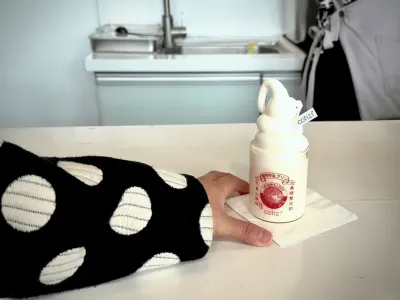
I treated myself to a double-skin milk pudding (双皮奶, seung pei naai) at one of these spots—its silky texture wobbled temptingly on the spoon. Topped with soft ice cream, it delivered a delightful dessert that was simply divine.
Snack Street Chaos
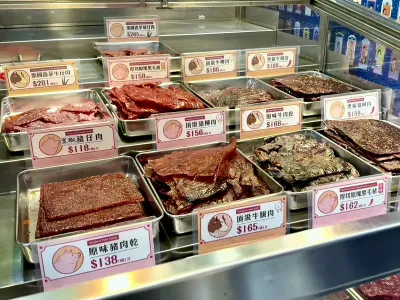
Rua do Cunha in Taipa is where the excitement really ramps up. Here, every other shop is a bakery, and you’ll find samples of everything from beef jerky to egg rolls being eagerly offered to you. Just a few steps in, and it’s hard to resist the temptation to try it all.
The beef jerky here—known as bakkwa—is sweet, savoury, and comes in flavours ranging from traditional to wildly experimental (think coffee-flavoured or spicy variants). Koi Kei and Choi Heong Yuen are two of the biggest names, and their staff will load you up with samples until you can’t say no to buying at least something.
My suggestion? Arrive with an empty stomach and ready to pace yourself, because the variety is both overwhelming and utterly fantastic.
Beyond the Strip: Coloane and Taipa Villages
Most visitors stick to the Cotai Strip and the peninsula, but venture out to Coloane Village, and you’ll find a quieter, more laid-back Macau. This former fishing village has cobbled streets, pastel houses, and [[Lord Stow’s Bakery]]. This place arguably makes the best egg tarts in Macau (though locals will happily debate this).
Hac Sa Beach on Coloane’s eastern coast is the closest thing Macau has to a proper beach getaway—black sand, seafood restaurants, and a surprisingly peaceful atmosphere considering you’re still technically in one of the world’s most densely populated places.
The Casino Empire
Let’s be real here—Macau’s current claim to fame is its gambling scene. Having surpassed Las Vegas, it’s now the world’s gambling capital, with staggering amounts of money flowing through its opulent resorts. The Venetian Macao alone is the world’s largest casino, with over 550,000 square feet of gaming space. Its replica canals, gondolas, and painted sky ceiling make it feel like Vegas on steroids.
But there’s more to it than just the gaming floors. You’ll find breathtaking shows like The House of Dancing Water, where acrobats dive into a pool containing a jaw-dropping 3.7 million gallons of water. The theatre itself cost over $250 million to build. Such extravagance is only possible thanks to the casinos’ profits.
The Cotai Strip—Macau’s answer to the Las Vegas Strip—is where most of these mega-resorts cluster. Galaxy, Wynn, MGM, Studio City… they’re all here, each trying to outdo the other with more lavish interiors, bigger shows, and fancier restaurants.
Getting Around: Small but Spread Out
Macau might be tiny—just 33 square kilometres (or about 12.7 square miles) —but it’s split across three main areas: the Macau Peninsula (the historic heart), Taipa (increasingly modern), and Coloane (the quiet escape). The casino resorts run free shuttle buses between major hotels and ferry terminals, which, honestly, is the easiest way to get around if you’re hopping between the big attractions.
Taxis are relatively affordable, though drivers don’t always speak English. The Light Rapid Transit (LRT) opened recently and connects Taipa to the Border Gate. However, it doesn’t yet reach the peninsula.
Two Worlds, One City
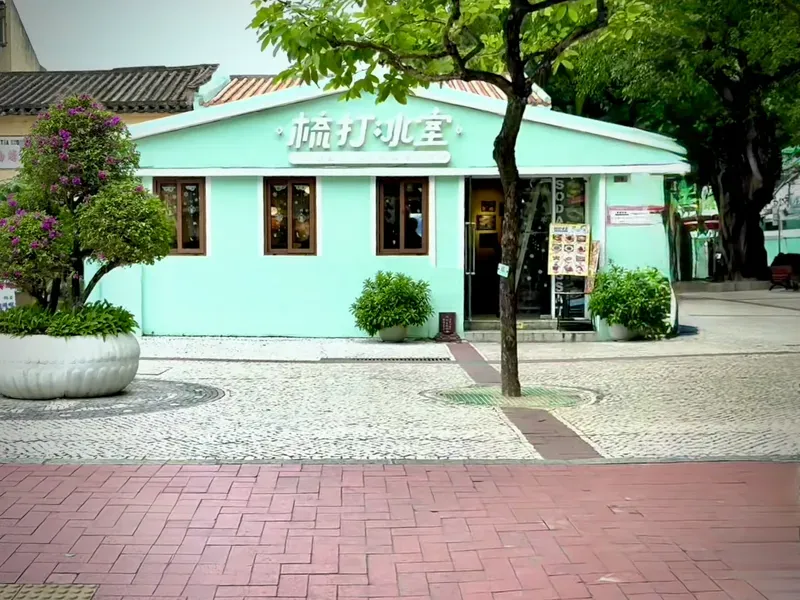
This is what defines Macau—a fishing village transformed into a colonial outpost, now an entertainment behemoth. Remarkably, it has managed to retain pieces of each of its identities. You can light incense at a 500-year-old temple in the morning, then marvel at synchronised divers in the evening.
The spirit of old Macau is still alive and well, hidden in the back alleys, temple courtyards, and bustling markets selling dried seafood as they have for generations, all while the glittering casinos tower above it all. It’s messy, contradictory, and absolutely fascinating—a place where you can eat a Portuguese egg tart for breakfast, dim sum for lunch, and watch a Cirque du Soleil-style show before dinner. That’s Macau.
More Travel Stories
Dublin: Ireland's Literary Capital Where History, Pubs, and Creativity Converge
Explore Dublin's rich literary heritage, historic pubs, Georgian architecture, and vibrant cultural scene in Ireland's charming capital city.
Hong Kong: The Ultimate East-Meets-West Metropolis Between Skyscrapers and Mountains
Discover Hong Kong's perfect blend of traditional Chinese culture and modern urban life through iconic attractions like Victoria Peak, Tian Tan Buddha, and vibrant street markets.